


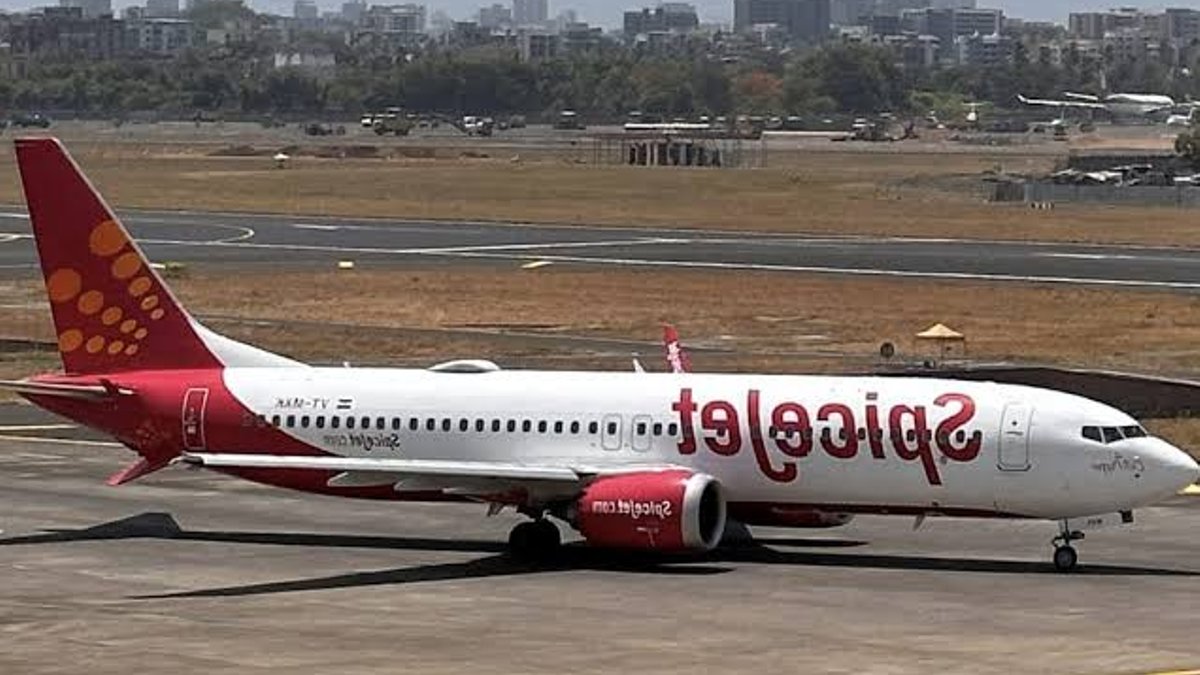
SpiceJet asked the Delhi High Court on Monday for an additional four‑week window to place a Rs 50 crore payment with the court registry, part of a larger Rs 144 crore settlement linked to an arbitration award involving media magnate Kalanithi Maran and his carrier Kal Airways.
Application and court response
Senior advocate Mukul Rohatgi, representing the airline, told Justice Subramonium Prasad that the first tranche of emergency credit from the central government arrived in June and was already spent on daily operations. He added that a second tranche promised by the government had not yet materialised.
Rohatgi explained that the airline could not meet the original deadline because the second tranche remained unavailable. He requested that the matter be kept open until the end of September to verify whether the first installment had been paid, and asked for a four‑week extension from the initial due date.
The judge did not issue an order on the spot, instead listing the application for a hearing on the scheduled date, the same day set for the main dispute.
Background of the dispute
The high court earlier ordered the carrier and its promoter Ajay Singh to deposit the larger settlement after an arbitral award found them liable for a substantial sum in a case stemming from the transfer of ownership in early 2015. The transfer followed a financial crisis that left the carrier cash‑strapped.
At that time, Maran and Kal Airways sold their 58.46 percent stake—35.04 crore equity shares—for a token Rs 2 to Singh, who then became the controlling shareholder. The dispute centres on the non‑issuance of warrants to Maran after that transfer.
Related: Unlocking $100 Billion Economy Boosts Nepal Disaster Preparedness
In July, the airline pledged to lodge the requested sum within 45 days and the remaining balance in the following 90 days. The fresh filing now also seeks a 45‑day extension for the second portion after the first extension expires.
Earlier, on May 4, the high court rejected the carrier’s and Singh’s pleas for a review of a January 19 order that demanded the earlier sum. The Supreme Court later directed the airline to approach the high court for a time extension, prompting the current request.
Senior advocate Jayant Mehta appeared for Maran, accompanied by the law firm Karanjawala & Co., defending the original award and the court’s enforcement efforts.
The arbitration award, initially set at Rs 579 crore plus interest, was partially set aside by a division bench in May 2024, which overturned a single‑judge decision and remanded the case for fresh consideration.
While the airline cites government credit delays, the court’s consistent scheduling suggests a cautious approach to ensure compliance without further postponements.
The request feels like asking for a rain check on a storm—an odd metaphor for a financial deadline, but it captures the carrier’s plea for breathing room.
Related: Hospitality Leaders Seek Longer Stays
From a broader perspective, the protracted litigation highlights how legacy ownership structures and sudden equity swaps can entangle airlines in long‑running legal and financial obligations.
When an airline already grapples with limited cash flow, court‑mandated deposits can strain operational liquidity, potentially affecting service continuity and passenger confidence.
Justice Prasad’s decision to keep the matter on the scheduled hearing aligns with the court’s earlier timeline, effectively giving the carrier a chance to demonstrate good faith by meeting the first payment before the next session.
Should the airline secure the second tranche of government funds, it could satisfy the requested sum and move toward the remaining amount. Failure to do so may trigger further judicial scrutiny or enforcement actions.
The case remains a focal point for stakeholders monitoring the health of India’s low‑cost carrier segment, where financial resilience often hinges on timely government support and the ability to manage complex legal settlements.

