


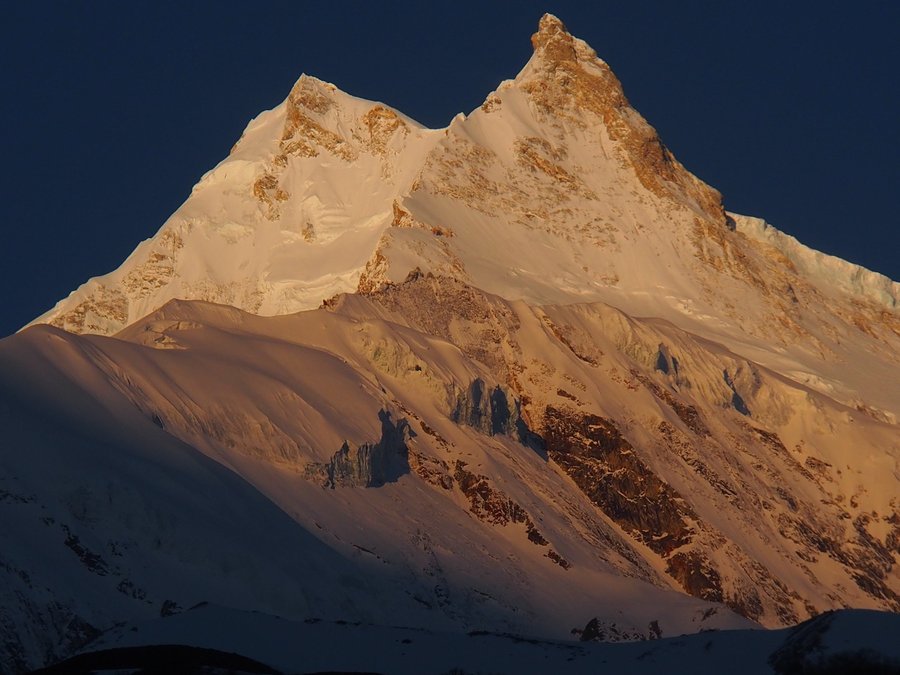
The Manaslu Circuit Trek Seasons is considered one of the most cultural and natural trekking routes in Nepal and it beautifully combines both cultural exploration and the wild nature of the Himalayas. The trek is in the Manaslu Conservation Area, taking you through remote villages, varied terrain and stunning views of the mountains, and provides a unique experience of the traditional culture and lifestyle of the people who live in the area.
The trek starts from Soti Khola and slowly climbs through dense jungles, paved farms, and riverside passages. As trekkers continue deeper into the Manaslu region, the landscape starts to shift, with snow-capped peaks and alpine meadows forming an exquisite backdrop to each day’s journey. You will walk through things of the communities where people are strongly impressed by Tibetan Buddhism has newness in their ancient way of life. That allows trekkers to engage with the locals, learn about their customs, and visit the monasteries and sacred sites that are scattered throughout the region.
The Manaslu Conservation Area features an ecologically rich cross-section of ecosystems with a diversity of flora and fauna. The trek takes you through subtropical forests, alpine tundra , and a stunning diversity of flora and fauna, including blue sheep, Himalayan tahr, and snow leopards. Several species of pheasants, along with eagles and vultures, can also be seen by birdwatchers here on the trail.
The final challenge of the Manaslu Circuit, the Larkya La Pass, may be one of the most well-known aspects of this trek. This high-altitude crossing, at an altitude of 5,160 meters, puts trekkers at the base of the gigantic Manaslu peak while challenging them to tackle one of the toughest sections of the trek. The hard-earned journey is worth it for the breathtaking views from the past.
While much of the route is less traveled than some of Nepal’s other popular trekking routes, like the Annapurna Circuit, the Manaslu Circuit has a feeling of solitude that the overtravel trails lack.” Trekking out here is like stepping back in time, far away from the pace of modern life. The remoteness of the trek adds to its character; you will often be in situations where the only noise is the sound of nature or the nearby local trekker.
Alongside the natural beauty, the trek offers a fantastic chance to see local culture in action. As you trek, you will see many prayer wheels, chortens, and monasteries, because the Manaslu area is heavily influenced by Tibetan Buddhism. The Khaiba Valley Trek invites you to explore a relatively less-traveled path where the locals, known for their warmth and hospitality, come out to share stories of their heritage — an experience this writer finds enriching and difficult to seek on more commercialized trekking routes.
Hint: The Manaslu Circuit Trek Price is a cultural, scenic, and challenging adventure all in one! Indeed, whether you are an adventure traveler in seek of pristine trekking routes, a nature-loving trekker desiring to explore rich altitudes and varieties, or a culture aficionado wishing to know about Tibetan Buddhism and its traditions, the Manaslu Circuit is an exceptional exploration that is sure to leave a mark! The Manaslu Circuit unveils a captivating mix of cultural richness and natural grandeur with every step along the trail and is truly one of Nepal’s most precious trekking routes.
The Manaslu Circuit Trek is one of the most beautiful and less-traveled trekking routes in Nepal. Set in the Manaslu Conservation Area this trek strikes a perfect equilibrium between scenic views, cultural diversity, and adventurous activities. The trek is challenging, but beautiful trek with stunning views of Manaslu Massif and Larkya La Pass. Beginning in Soti Khola, trekkers walk through lush forests, alpine meadows, high deserts, and rocky paths ending at the snow-capped peaks of the Himalayas. Visitors get to meet remote mountain communities and glimpse the locals’ everyday lives along the way. There is nowhere like the solitude and pristine nature found in this trek, making it an ideal experience for anyone looking to unplug and get back to nature. The Manaslu Circuit is a hike that balances physical challenge and spiritual enlightenment and is another reason it is one of Nepal’s hidden gems.
Cultural Diversity in the Manaslu Region
The Manaslu region Trek offers not just natural beauty but also cultural experience. Other ethnic groups are present in the region, with their own cultures and languages. Trek gives trekkers a taste of Tibetan, Nepali, and Sherpa culture. Most of the villages along the trail are populated by Gurung, Taman,g, and Bhotia people. The influence of Tibetan Buddhism grows stronger in the circuit as trekkers ascend. The lower areas reflect the locals’ agrarian lifestyle, while their influence fades higher up, where villages are isolated and heavily influenced by Tibetan culture. The warmth of the people (trekkers are frequently invited into homes for tea and exchange stories) and hospitality are also highlighted. Because trekkers pass through local markets, and illagers’ homes and learn about their customs, from yaks used for carrying goods, they gain a greater understanding of the region’s cultural diversity. Observation of ancient farming techniques or religious rituals, the Manaslu Circuit offers a rich cultural experience.
Inspiration from Tibetan Buddhism on the Trail
The Tibetan Buddhist influence along the Manaslu Circuit is among the trek’s most distinguishing features. As trekkers climb up, the cultures and customs of the Tibetan plateau become more and more visible. Dotting trading and transport routes are Buddhist monasteries, chortens, and mani walls that symbolize the locals’ spiritual ties to the land. There will be prayer flags flying in the wind, the strings of cloth carrying mantras written on them; prayer wheels outside most monasteries, offering trekkers the chance of spinning for some blessings. Villages such as Samagaon, the trek’s main hub, have strong ties to Tibetan Buddhism. You see Tibetan prayer flags and murals of deities decorating monasteries and houses. Under the careful guidance of the locals who practice Buddhist rituals, many trekkers directly visit the monasteries to learn about the spiritual significance of the area. One of the most beautiful things about the trek is that it constantly has this atmosphere of peace, serenity, and spirituality, allowing one to build a closer relationship with the land and its inhabitants.
Dramatic Scenery: From Verdant Valleys to White-Capped Mountains
One of the most stunning natural sights in the world, the Manaslu Circuit Trek is impressive. Beginning in the verdant valleys of the lower Manaslu region, trekkers wind through terraced rice fields, dense forests of rhododendron and pine, and the rushing Budi Gandaki River. After an ascent, the trail enters the high-affinity plateau where the landscape changes dramatically. The alpine meadows, barren landscapes, and rugged mountain paths can have magnificent views all the way to peaks such as Mount Manaslu (8,163 meters above sea level), Himalchuli, and Ngadi Chuli. At the Larkya La Pass (5,160 meters), trekkers are rewarded with breathtaking views of snow-capped peaks, glaciers, and isolated valleys. You’ll find secluded lakes, clear rivers, and quiet plateaus along the route. The feeling of seclusion is always lingering, giving trekkers an opportunity to experience the fickle power of nature. From the lush subtropical zone to the stark, high-altitude deserts, the variety of ecosystems along the circuit makes it a visually incredible experience for nature lovers and adventure thrillers.
Manaslu Conservation Area: The Plants & Animals
Manaslu Circuit Trek Travel Tips The Manaslu Conservation Area is a biodiversity hotspot, with both exuberant flora and fauna. The lower levels are lush with subtropical forests of sal, pine, and rhododendron trees, and higher up, trekkers are presented with alpine meadows and barren terrain. Other endangered species that call this area home are the elusive snow leopard, the Himalayan tahr, and the blue sheep. Birdwatchers will also enjoy the variety of birds, including the Himalayan griffon vultures, pheasants, and eagles that live there. The thick woods are home to other creatures as well, such as marmots and monkeys. As the trekkers ascend, the scenery transitions to high-altitude flora, with yak pastures and bushes increasingly predominant. The Himalaya-Manaslu Circuit allows hiking through the trails where flora and fauna have adjusted to the harsh climate and high altitude. Wildlife, while not common, can be extremely rewarding, and the flora is also stunning, with some of the country’s most exquisite flowers and herbs, particularly the rhododendrons that open in the spring.
Cultural Landmarks: Monasteries, Mani Walls & Chortens
The Manaslu Circuit is spiritual, with sacred sites along the trail. Right from the start of the trek, trekkers come across mani walls — stone walls inscribed with sacred Buddhist mantras — and chortens, or stupas, which are places for worshiping and meditation. On the way up the mountains, the impact of Tibetan Buddhism increases and places like the Samagaon Monastery offer a spiritual haven for trekkers. Ringing prayer wheels and chortens alone make for a serene atmosphere and are part of an expression of the land’s spirituality. The colorful flags hung here are called prayer flags, and as they flap with the winds, they ship off prayers toward the sky to receive blessings. These religious grounds are too sacred to be tourist attractions, as the local people still perform rituals, roams, and prayers for peace, health, and prosperity. Visiting these sites is a way for trekkers to grasp the spiritual aspect of the trek and the deep reverence locals have for their religious traditions. Manaslu Circuit–Manaslu Annapurna Trekking Region, NepalOn the stunning Manaslu Circuit, ancient sacred sites allow for a connection with the local culture and landscape itself, offering a calm and contemplative feel.
The Larkya La Pass: An Exciting Natural Landmark
The Larkya La Pass is one of the most majestic and heart-racing sections of the Manaslu Circuit trek. Set at an altitude of 5,160 meters, this pass sits as the highest point of the trek and also offers a spectacular view of the Himalayan peaks around including Manaslu, Himalchuli, and Ngadi Chuli. The trek itself takes through rugged, high-altitude terrain, and visiting the pass is a strictly physical paradigm in the overall journey. The long winding road uphill is a journey in itself filled with sweat and grit, though the glorious views and sense of achievement when you finally conquer the past is just enough to make it worthwhile. One is the Larkya La Pass which is considered both a natural landmark as well as a spiritual one for many trekkers, as it signifies an arduous culmination of several days of tough trekking through some of Nepal’s most remote and unspoiled locales. Standing at the top of the pass is an unforgettable experience, with snow-capped peaks and giant glaciers surrounding you.
Visiting Local Villages and Experienced Traditions
The Manaslu Circuit Trek is also one of the only treks that do not see many tourists, allowing you to experience the villages and the true culture and lifestyle of the locals. The landscape includes remote villages marooned by modern tourism that provide a glimpse into tradition. Quaint mountain villages such as Soti Khola, Ghap, and Samagaon are home to various ethnic groups, among them the Gurung, Tamang, and Bhotia people. They each have their own traditions, languages, and customs, heavily influenced by Nepali and Tibetan culture. You’ll have opportunities to meet the people, including visiting traditional homes and learning about how they farm and what festivals and rituals they observe during the trek. Notably, Tibetan Buddhism is prevalent in the higher-altitude villages, which are home to monasteries, chortens, and mani walls. It will be a challenging trek through the mountains but also a cultural experience as the warm hospitality of the locals radiates the experience. By being part of these communities, you gain a better understanding of the lives of the people who live in this lovely area.
Trekking in Far-off and Serene Places
What sets the Manaslu Circuit Trek apart is its remoteness and the tranquillity that comes with it. Unlike other popular trekking routes in Nepal, such as the Annapurna Circuit or Everest Base Camp, the Manaslu Circuit is still relatively untraveled, allowing trekkers to enjoy alone time. You will pass through unspoiled polymorphic landscapes from thick rhododendron and pine woods to the deserts of the high Himalayas on your way. You’ll frequently hike for hours without seeing another group, with the wind and the river to keep you company. This psychological space gives trekkers the opportunity to forget the daily grind of modern life and gain a connection with nature. The remote villages dotting the trail echo this tranquillity: life unfolds at a leisurely pace in these outlying communities. This lack of commercialization and big groups helps to create a more authentic and serene experience, making it a great option for anyone looking for a quieter, more meditative hike.
Local People & Sherpa | Importance for Mountaineering
The Manaslu Circuit Trek is not possible without the local communities and the Sherpas. It is the local community that sustains the region, as it provides a great amount of resources, from accommodation and food to typical experiences. Hikers making their way through villages stop for rest and meals at local tea houses and lodges, where they are often welcomed with traditional hospitality. Equally important to the trek is the Sherpas — a hardy ethnic group that calls the Himalayas home and helps trekkers make their way, guiding the route and carrying supplies. They’re incredible companions—their extensive knowledge of the mountains, combined with their strength and skill at high-altitude trekking, are invaluable. Sherpas are also an invaluable help with acclimatization, making sure that trekkers ascend at a safe pace in an effort to reduce the risk of altitude sickness. This symbiotic relationship between trekkers and local communities ensures the economy of the region benefits from tourism by preserving the authenticity of its culture. This makes the experience more than a mere physical challenge; it’s a cultural exchange.
Understanding and adhering to local customs and etiquette
15 Essential Tips on Manaslu Circuit Trek Map (Do’s and Don’ts) As the region is largely home to Tibetan Buddhists, there are plenty of spiritual practices and traditions to respect. For example, trekkers should walk clockwise around mani walls, chortens, and monasteries and refrain from touching or disturbing temples or religious artifacts. Also whatever you do, greet any locals in polite “Namaste” or “Tashi Delek”, a Tibetan traditional greeting. Adhering to local dress codes, particularly in more remote locations, is important too. Modest dress is welcomed in monasteries or homes, and you might be asked to take off your shoes. Also, always request consent in advance for photographs, especially of individuals or sacred locations. These simple but important cultural etiquette will not just ensure that trekkers will complete their trek in a respectful way, but also create goodwill and cross-cultural understanding. Following these traditions keeps the real spirit of the trek and makes your travel a lot more wholesome.
Conclusion: A Harmonious Fusion Between Nature and Culture
This area is not only natural beauty but also cultural so it is the best destination for adventurist trekkers. The trek ranges from crossing the muscle-straining Larkya La Pass to the tranquillity of its remote mountain villages, packing in enough wilderness and culture to satisfy any nature lover or culture vulture. These breathtaking mountain ranges with snow-covered peaks, verdant alpine meadows, and luxuriant deep valleys are coupled with the warmth and friendliness of the local neighborhood, providing, a multifaceted experience. Throughout the journey, trekkers experience the profound Tibetan Buddhist culture present in the region, evidenced by monasteries, prayer flags, and sacred sites that add depth to the cultural tapestry. The trek is both an adventure and a spiritual journey, allowing trekkers to receive a great connection to their nature and the place of the people. The Manaslu Circuit Trek is a once-in-a-lifetime adventure for travelers seeking stunning landscapes coupled with a rich cultural experience; it is two of the most sought communities in the world.


