


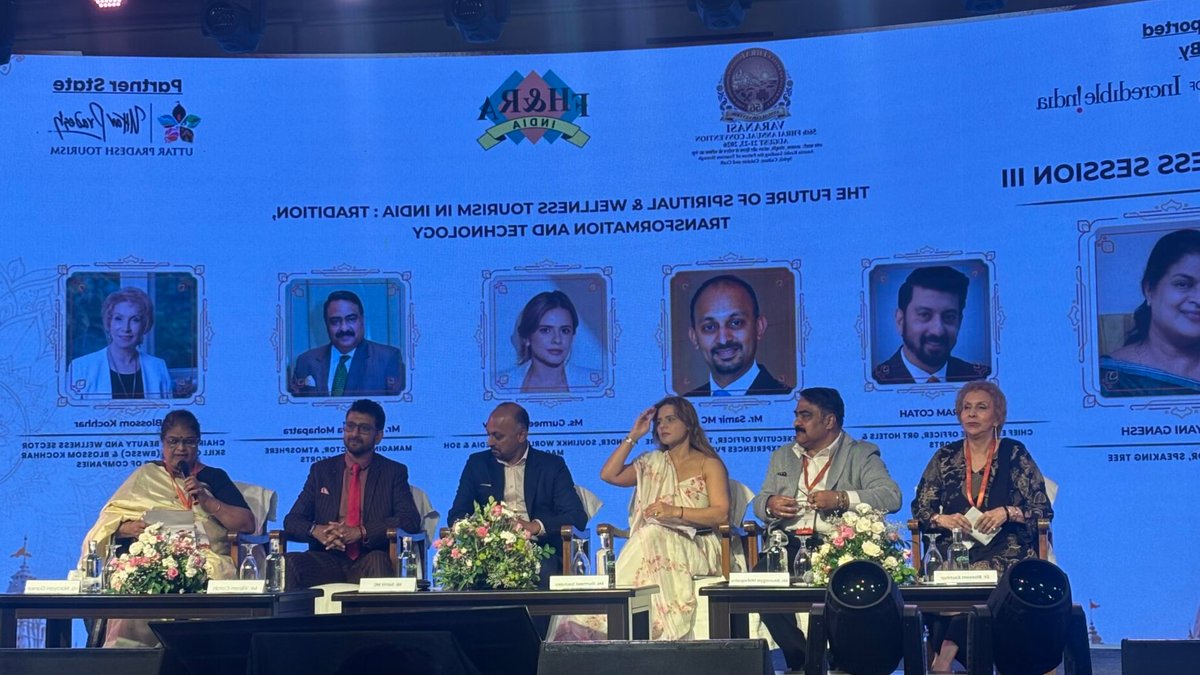
Hospitality leaders in India are calling for immersive, longer-stay models to drive the growth of spiritual and wellness tourism, according to discussions at the FHRAI 56th Annual Convention in Varanasi. The industry sees potential in destination-specific hotels, stronger storytelling, local cuisine, and technology-enabled crowd management to encourage visitors to stay longer.
Spiritual Tourism Gains Hospitality Focus
Vikram Cotah, CEO of GRT Hotels & Resorts, noted that his group began focusing on spiritual tourism nearly two decades ago with their first hotel in Madurai. GRT Hotels now connects several important spiritual destinations across South India, incorporating sustainability and well-being into their hospitality approach. Cotah believes India’s rich heritage and domestic travel base provide a strong foundation for spiritual tourism.
Faith-led hospitality is emerging as a new opportunity, according to Samir MC, CEO of Tamara Leisure Experiences. He highlighted the potential in both primary and secondary wellness travel, pointing to Ayurveda and faith-based tourism. Tamara has developed a “faith-intelligent” hotel brand, with properties in Guruvayur and plans for further expansion to destinations like Kumbakonam (120-room hotel) and another location (180-room property).
Storytelling and Tech in Destination Development
Souvagya Mohapatra, Managing Director of Atmosphere Hotels & Resorts, discussed the importance of presenting India’s spiritual destinations to contemporary travellers through better facilities, experiences, and storytelling. The panel also emphasized the role of technology in managing high visitor volumes, citing the Maha Kumbh as an example.
Related: Nagaland Tourism Minister vows infrastructure upgrades
The panel agreed that the larger opportunity lies in converting short pilgrimage visits into longer destination stays. They highlighted destinations like Tirupati, where travellers often visit primarily for darshan and return within a short period. Hoteliers are looking at ways to bring together accommodation, food, wellness, heritage, and local experiences to encourage visitors to stay longer.
The panel discussed the need for transformation-led travel rather than conventional experiences. They identified hotel design, sensory experiences, and food as important elements in creating a meaningful stay, with a focus on authentic regional and temple cuisine.
Sustainability and local communities were also identified as areas where hotels can contribute to destination development. Mid-market accommodation was highlighted as an important requirement for India’s growing domestic spiritual tourism market, particularly across Tier-II and Tier-III destinations.
The panel discussed the potential of spiritual tourism beyond religious sites, with experiences in nature and heritage destinations being considered spiritual in their own right. The panel concluded that India’s opportunity lies in developing multi-dimensional destination experiences that bring together spirituality, wellness, heritage, nature, cuisine, and technology.


